
Common symptoms
A hard or soft thickened spot can cause pain when walking or wearing shoes. Redness, discharge or an open sore needs assessment, especially in people with diabetes or poor circulation.
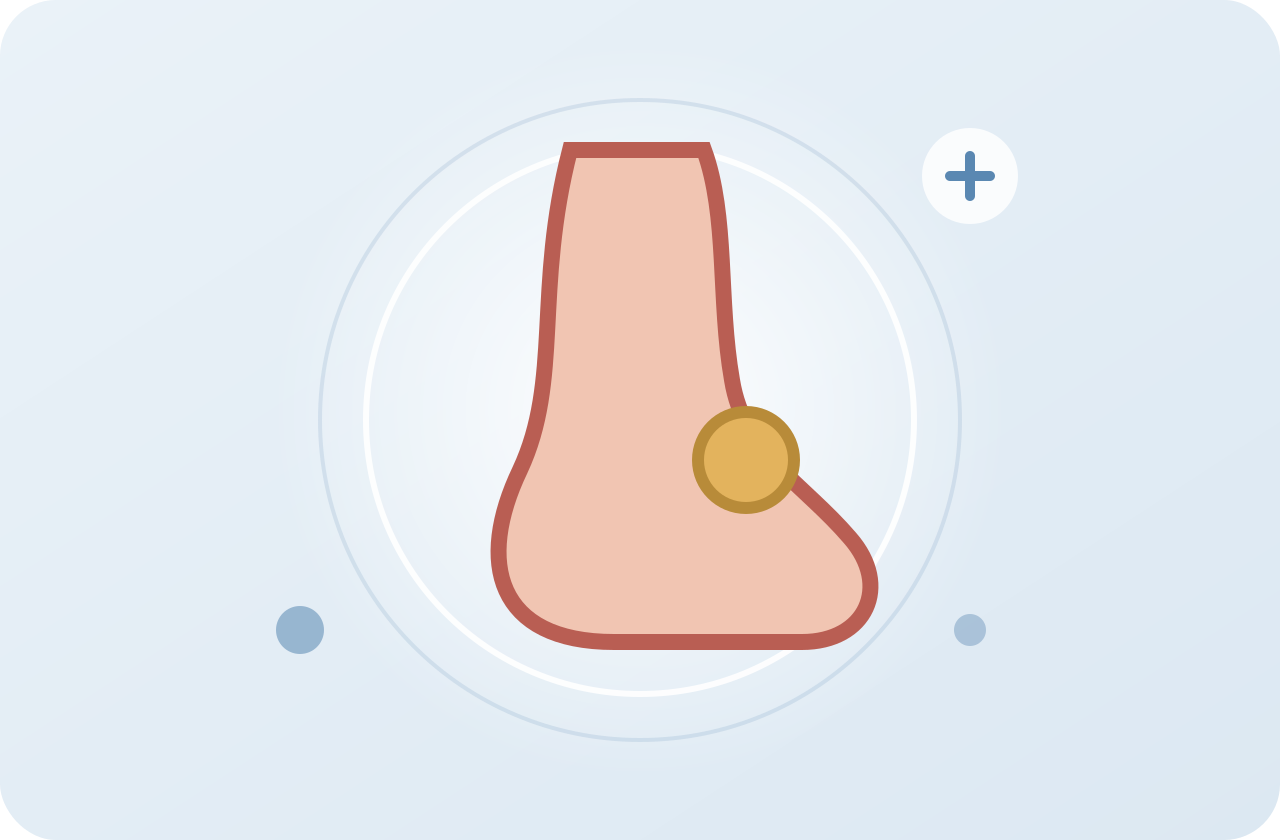
A corn is a small, thickened area of skin caused by repeated pressure or friction, often on toes or feet. It is not the same as a wart and may recur if pressure continues.
Use this guide to prepare for a conversation with your doctor. Diagnosis and treatment decisions depend on your individual clinical assessment.
A hard or soft thickened spot can cause pain when walking or wearing shoes. Redness, discharge or an open sore needs assessment, especially in people with diabetes or poor circulation.
Assessment includes foot examination, footwear and pressure points, skin integrity, circulation and sensation. A clinician distinguishes a corn from a wart or other lesion.
Options include footwear changes, protective pads and professional reduction of thickened skin. Surgery to correct an underlying bony prominence is considered only in selected cases. Avoid self-cutting.
Your specialist will explain the planned procedure, preparation, anaesthesia or other medicines, expected setting and follow-up. The exact steps vary by diagnosis and treatment selected.
Potential benefits depend on the condition and the treatment goal. Your doctor should explain the expected improvement, alternatives, limitations and possible risks for your individual situation.
Recovery varies with the procedure, your general health and whether complications occur. Ask about wound care, medicines, activity restrictions, follow-up visits and symptoms that need urgent review.
Costs depend on the hospital, surgeon, room category, tests, technique and length of stay. Ask for a written estimate and confirm cashless eligibility, policy exclusions, co-payments and pre-authorisation directly with the hospital and insurer. Coverage is not guaranteed.
Ask what is causing pressure; whether footwear or orthotics can help; whether it is a corn or wart; safe ways to reduce it; and whether circulation or diabetes changes the care plan.
We can help coordinate a consultation and guide you through the practical next steps.
Important: This page is for general education only. It is not a diagnosis or a substitute for medical advice. Seek urgent medical attention for severe, sudden or rapidly worsening symptoms.