
Common symptoms
Fullness or a soft lump in the armpit, tenderness around menstruation or pregnancy, or discomfort with arm movement or clothing may occur. A new hard lump or associated breast change needs assessment.
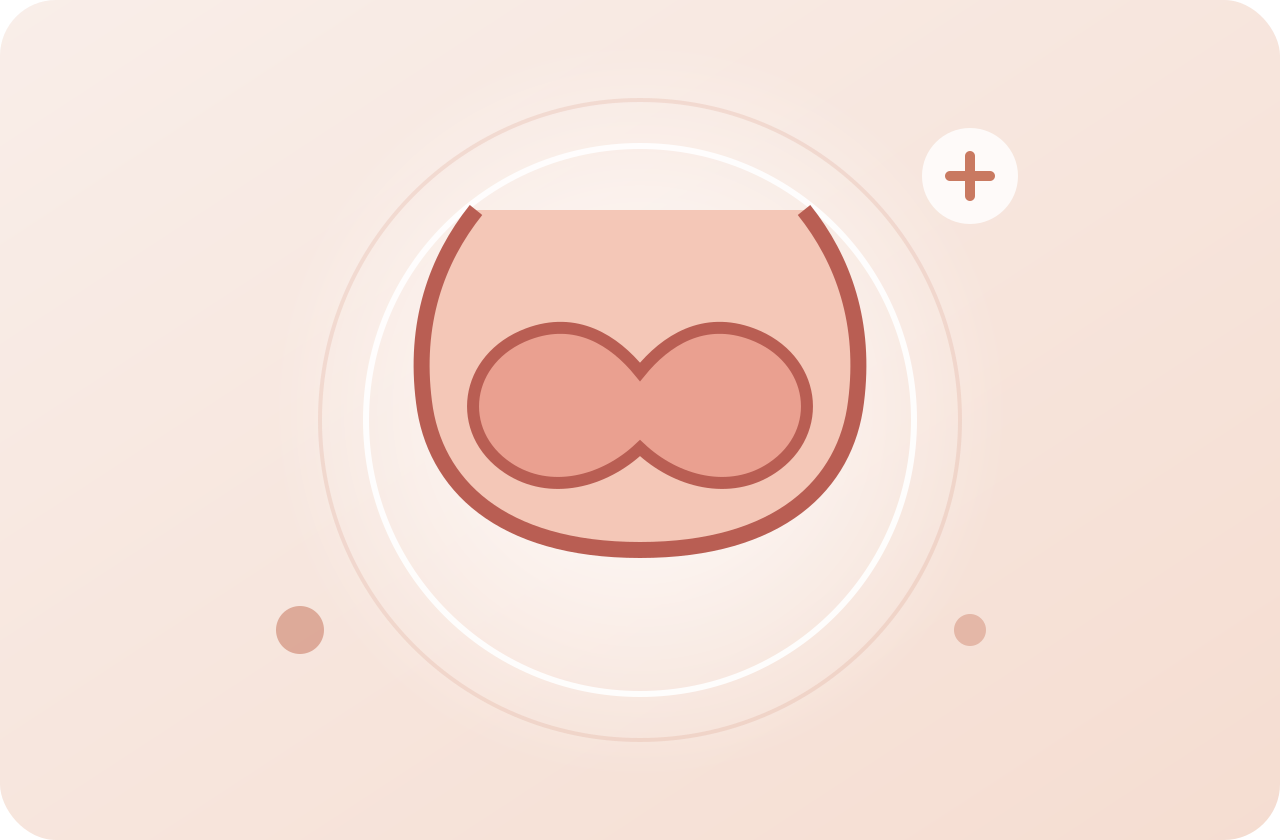
Accessory or axillary breast tissue is breast tissue that develops in the armpit area. It may become more noticeable with hormonal changes and can be mistaken for a lymph node or other lump.
Use this guide to prepare for a conversation with your doctor. Diagnosis and treatment decisions depend on your individual clinical assessment.
Fullness or a soft lump in the armpit, tenderness around menstruation or pregnancy, or discomfort with arm movement or clothing may occur. A new hard lump or associated breast change needs assessment.
Assessment includes examination of the armpit and breasts. Ultrasound or other imaging may be advised to distinguish accessory tissue from lymph nodes or other masses.
Observation may be appropriate if symptoms are mild. Surgery to remove tissue or contour the area may be considered for discomfort or persistent concern after diagnosis.
Your specialist will explain the planned procedure, preparation, anaesthesia or other medicines, expected setting and follow-up. The exact steps vary by diagnosis and treatment selected.
Potential benefits depend on the condition and the treatment goal. Your doctor should explain the expected improvement, alternatives, limitations and possible risks for your individual situation.
Recovery varies with the procedure, your general health and whether complications occur. Ask about wound care, medicines, activity restrictions, follow-up visits and symptoms that need urgent review.
Costs depend on the hospital, surgeon, room category, tests, technique and length of stay. Ask for a written estimate and confirm cashless eligibility, policy exclusions, co-payments and pre-authorisation directly with the hospital and insurer. Coverage is not guaranteed.
Ask whether this is accessory breast tissue; whether imaging is needed; what removal technique is suitable; scar placement and contour risks; and whether tissue will be examined in a lab.
We can help coordinate a consultation and guide you through the practical next steps.
Important: This page is for general education only. It is not a diagnosis or a substitute for medical advice. Seek urgent medical attention for severe, sudden or rapidly worsening symptoms.